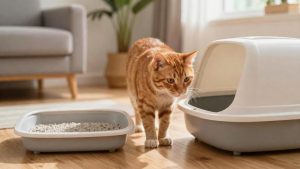
When I adopted my first indoor cat, I made the same mistake that many new cat owners make—I bought the cheapest litter box I could find. At the time, it seemed like a smart decision. A litter box is just a plastic container, right? I figured my cat wouldn’t care whether it cost $10 or $50.
I couldn’t have been more wrong.
Within a few weeks, I noticed little things that gradually turned into bigger problems. My cat hesitated before stepping inside. Litter ended up scattered across the floor every single day. Cleaning became frustrating because waste stuck to the plastic. Eventually, my cat even started looking for other places to relieve herself.
After talking with experienced cat owners, reading veterinary advice, and trying several different litter boxes over the years, I realized that the litter box itself plays a much bigger role in a cat’s health and daily comfort than most people think.
Choosing the cheapest option doesn’t always save money. In fact, it can create unnecessary stress for both you and your cat while leading to replacement costs, cleaning problems, and even behavioral issues. If you’re shopping for a litter box, it’s worth thinking beyond the price tag and considering how your cat will actually use it every day.
A Cheap Litter Box Often Sacrifices Comfort Before Anything Else.
Cats naturally prefer places where they feel secure and comfortable. If you’ve ever watched a cat carefully inspect a litter box before stepping inside, you’ve already seen how picky they can be.
Many inexpensive litter boxes are designed to minimize manufacturing costs rather than maximize feline comfort. That usually means they’re smaller, shallower, and made from thinner plastic.
For kittens, that may not seem like a major issue. But adult cats—especially larger breeds like Maine Coons, Ragdolls, Norwegian Forest Cats, or even hefty domestic shorthairs—often struggle to fit comfortably inside.
If a cat can’t easily turn around, dig naturally, or cover waste without constantly bumping into the walls, using the litter box becomes less enjoyable. Cats are creatures of habit, but they’re also surprisingly sensitive to anything that interrupts their normal bathroom routine.
I noticed my own cat would step into the box, pause for several seconds, step back out, and then try again. At first I assumed she was simply being picky. Looking back, I think she was trying to find a comfortable position inside a space that simply wasn’t large enough.
When cats repeatedly experience discomfort, some begin delaying bathroom trips while others search for softer, quieter, or more spacious locations around the house. What looks like stubborn behavior can actually be your cat trying to solve a problem.
Thin Plastic Materials Can Wear Out Much Faster Than You Expect.
One thing I didn’t expect was how quickly the inexpensive plastic started showing signs of wear.
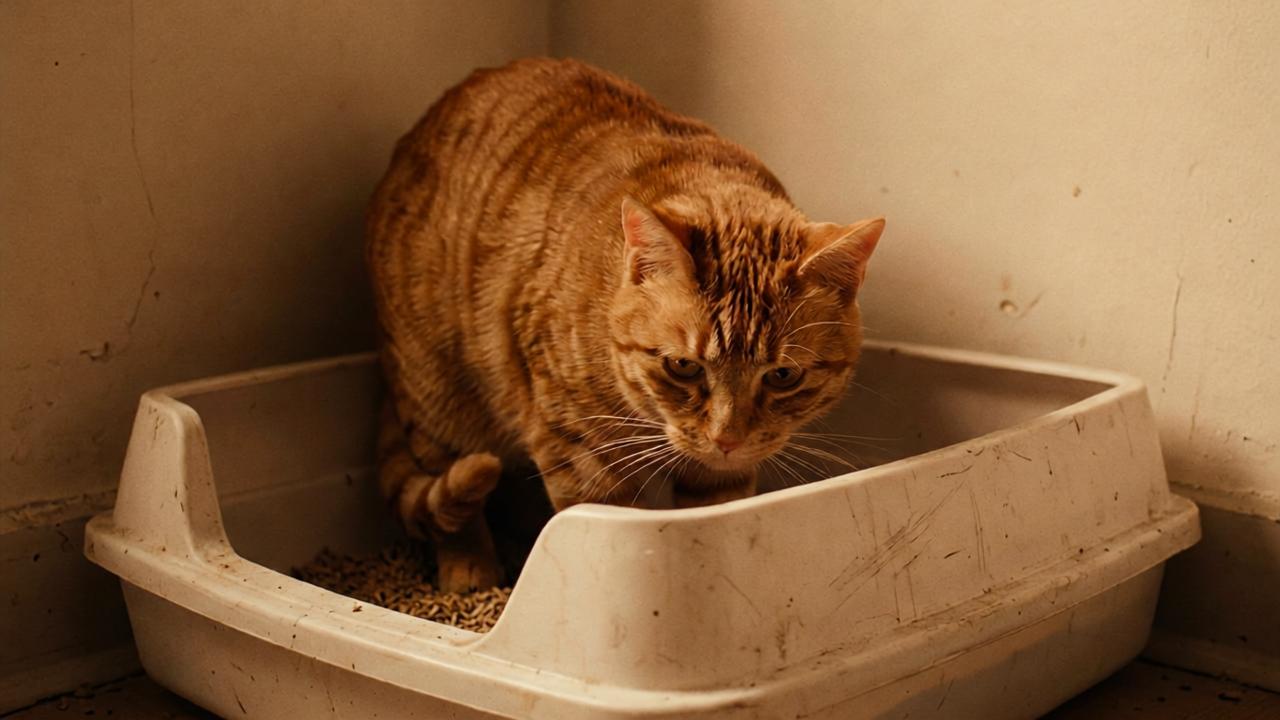
After only a couple of months, the bottom of the litter box flexed whenever I picked it up. The inside became covered with dozens of tiny scratches created by normal digging. Even though I cleaned it regularly, those scratches never disappeared.
Over time, I realized the problem wasn’t just cosmetic.
Scratched plastic provides countless tiny spaces where urine residue, bacteria, and odor molecules can settle. Even after washing the box with warm water and mild soap, there always seemed to be a faint smell that never completely went away.
Higher-quality litter boxes usually use thicker, smoother polypropylene or similar durable plastics that resist scratching much better. The smoother surface makes routine cleaning easier while helping reduce odor buildup over months of daily use.
The difference became obvious after I upgraded. Cleaning took less effort, and the litter box actually smelled clean after washing instead of retaining that lingering “used litter box” odor.
Poor Odor Control Can Slowly Change Your Cat’s Bathroom Habits.
Humans often underestimate just how incredible a cat’s sense of smell really is.
While we might barely notice an odor after scooping the litter, our cats can still detect microscopic scent residues trapped inside scratched plastic surfaces. Their noses are built to notice details we completely miss.
This is one reason veterinarians and experienced cat owners often recommend replacing litter boxes every year or two, even if they still appear functional.
Cheap litter boxes tend to absorb odors much sooner because their surfaces deteriorate faster. Once unpleasant smells begin lingering inside the box, some cats become reluctant to spend time there.
I actually blamed my cat litter for weeks before realizing the litter box itself was the real problem. Once I replaced it with a better-built model, the odor issue improved almost immediately without changing the litter brand.
Low Walls Usually Mean You’ll Spend More Time Cleaning Your Floors.
Some cats gently paw at the litter for a few seconds before covering their waste.
Others seem determined to excavate their way to another continent.
My cat definitely belongs to the second group. She digs before using the litter box, after using it, and sometimes even when nothing needs covering. Every bathroom trip looked like a construction project.
The inexpensive litter box I originally bought had very low sides. Each enthusiastic digging session launched litter several feet outside the box, leaving small piles scattered across the floor.
I found myself sweeping or vacuuming around the litter area multiple times every day. It wasn’t the litter’s fault at all—it was simply escaping because the box couldn’t contain normal digging behavior.
After switching to a deeper litter box with higher sides, the difference was immediate. The amount of litter on my floor dropped dramatically, and cleaning became much easier.
A Cramped Interior Can Prevent Cats From Using Natural Bathroom Behaviors.
Using the litter box isn’t a quick, mechanical process for most cats.
They usually sniff the litter, choose a location, turn around several times, dig, squat, cover their waste, inspect the area, and then leave. Every one of these behaviors is deeply instinctive.
When the interior is too small, those natural movements become awkward. Cats may struggle to turn around, accidentally stand with part of their body outside the box, or even urinate over the edge because they don’t have enough space.
Many owners mistakenly believe these accidents are behavioral issues or signs of poor litter training. In reality, the litter box itself may simply be too small for comfortable use.
A guideline I’ve found helpful is choosing a litter box that’s approximately one and a half times the length of your cat’s body, excluding the tail. While not every home has unlimited space, giving cats enough room to move naturally often reduces bathroom accidents while making the entire experience much less stressful.
Cheap Litter Boxes Can Be Less Stable Than They Look.
One problem that surprised me was how unstable some inexpensive litter boxes can feel during everyday use. I never really thought about stability until I watched my cat jump into the box and the entire thing shifted several inches across the floor.
That may not seem like a big deal to us, but imagine stepping onto a surface that moves every time you use the bathroom. Cats generally prefer predictable environments, especially when they’re in a vulnerable position.
Lightweight plastic combined with a narrow base often means the box slides more easily on hardwood, tile, or laminate flooring. Larger cats can even cause one side to lift slightly when they step on the edge.
After adding a heavier litter box with a wider footprint, my cat immediately seemed more relaxed. She stopped pausing before stepping inside and no longer looked startled when digging vigorously.
Sometimes it’s the small design improvements that make the biggest difference in a cat’s confidence.
Sharp Plastic Edges Can Create Unexpected Safety Concerns.
Not every inexpensive litter box has poor finishing, but quality control is often less consistent.
I’ve handled budget litter boxes where the molded plastic edges felt surprisingly rough. While they weren’t dangerously sharp, they certainly weren’t smooth enough that I’d want my cat rubbing against them every day.
Cats frequently enter and exit the litter box multiple times each day. They also rub their bodies along the sides, stretch, and sometimes lean against the entrance while digging.
A well-finished litter box should have rounded edges that feel comfortable to the touch. Small details like these may seem insignificant in a store, but they matter over years of daily use.
Difficult Cleaning Often Leads to Poorer Hygiene.
One lesson I learned the hard way is that a litter box that’s difficult to clean rarely stays as clean as it should.
When waste sticks to rough plastic or corners are difficult to reach, cleaning becomes a chore that takes longer than necessary. Even motivated owners can become frustrated if every litter change turns into a scrubbing session.
Smooth interior walls allow clumps to release more easily and make wiping down the box much faster. That means you’re more likely to perform complete cleanings regularly rather than putting them off.
Good hygiene isn’t just about keeping your home smelling fresh. It also helps create an environment where your cat feels comfortable returning to the litter box every single day.
I eventually realized that buying a better litter box actually encouraged me to clean it more often because the process became quicker and less unpleasant.
Frequent Replacement Can Cost More Than Buying a Better Box Once.
Many people choose inexpensive litter boxes to save money, and that’s completely understandable. After all, there are plenty of pet supplies that don’t necessarily need premium versions.
However, litter boxes are used every day—often multiple times a day—for years.
The first cheap litter box I purchased lasted less than a year before the bottom became warped, the surface remained permanently scratched, and odors lingered no matter how carefully I cleaned it.
When I added up the cost of replacing multiple inexpensive boxes over several years, I realized I had actually spent more than I would have on one durable, higher-quality model.
A well-built litter box isn’t necessarily expensive. It simply tends to last longer, clean more easily, and provide a better experience for both cats and owners.
Behavioral Problems Sometimes Start With the Litter Box Instead of the Cat.
Whenever a cat begins avoiding the litter box, many owners immediately suspect a behavioral problem.
While medical conditions should always be ruled out by a veterinarian, it’s worth remembering that cats don’t usually stop using their litter box without a reason.
If the box feels cramped, smells unpleasant, slides across the floor, or has become uncomfortable due to scratches and worn surfaces, your cat may begin associating it with stress rather than relief.
I’ve spoken with several fellow cat owners who solved litter box avoidance simply by upgrading to a larger, sturdier model. No medication, no retraining, and no special litter was required.
That doesn’t mean every litter box issue has such a simple solution, but it’s one of the easiest things to evaluate before assuming your cat is simply being difficult.
A Good Litter Box Supports Better Habits Throughout Your Cat’s Life.
Whether you have a playful kitten, an active adult, or a senior cat with limited mobility, the litter box is one of the most frequently used pieces of equipment in your home.
Choosing one with adequate space, durable materials, smooth surfaces, and stable construction creates a more comfortable bathroom experience every single day.
Your cat probably won’t care whether the litter box matches your home’s décor or comes in trendy colors. What matters is whether it feels safe, clean, spacious, and predictable.
Looking back, I wish I had understood this from the beginning. I spent far too much time experimenting with different litters and odor-control products before realizing the litter box itself was the weakest part of the setup.
Sometimes the simplest upgrade has the biggest impact on your cat’s daily routine. A thoughtfully designed litter box won’t solve every bathroom issue, but it provides a solid foundation for healthy habits, easier cleaning, and a happier indoor cat for years to come.