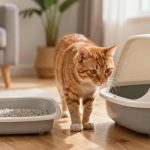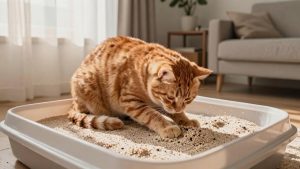
One of the things I never expected to pay so much attention to as a cat owner was poop. Before adopting my first cat, I assumed cleaning the litter box was just another daily chore. It wasn’t until I noticed my cat skipping a day that I started wondering what was actually considered normal. That simple question sent me down a rabbit hole of reading veterinary articles, talking to experienced cat owners, and paying much closer attention to my own cats’ bathroom habits.
If you’ve ever found yourself asking, “How often should my cat poop?” you’re definitely not alone. It’s one of the most common questions new cat owners have, and surprisingly, there isn’t one single answer that fits every cat.
In my experience, healthy adult cats usually poop about once every 24 to 36 hours. Some seem incredibly consistent, almost like they have a daily schedule, while others occasionally skip a day without anything being wrong. As long as they’re eating normally, acting like themselves, and producing stools that look healthy, a little variation is usually nothing to panic about.
Every cat seems to have its own bathroom routine.
One thing I noticed after owning more than one cat is that their habits can be completely different even when they live in the same house and eat similar food.
One of my cats almost always uses the litter box every morning after breakfast. The other one is much less predictable. Sometimes it’s late in the afternoon, and occasionally she’ll wait until the next morning. For a while I thought something was wrong, but after several vet visits over the years, I learned that consistency for the individual cat matters more than comparing one cat to another.
Cats, just like people, have their own digestive rhythms. Genetics, metabolism, activity level, and even personality can influence how often they eliminate waste.
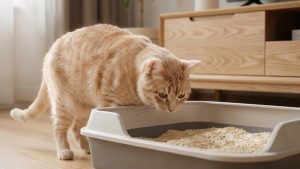
Diet is usually the biggest reason bathroom habits change.
The biggest difference I’ve personally seen comes from food. Whenever I’ve switched my cats to a different diet, their litter box routine almost always changed for a few days.
Cats eating moisture-rich canned food often produce softer stools and may poop a little more regularly because they’re consuming significantly more water. Cats eating only dry kibble sometimes produce smaller, firmer stools simply because there’s less moisture moving through the digestive system.
Fiber also plays a surprisingly important role. Too little fiber may slow everything down, while too much can sometimes increase stool volume or even make stools softer depending on the type of fiber being used.
This is one reason many veterinarians recommend changing food gradually over seven to ten days instead of overnight. A sudden change can temporarily upset the digestive system even if the new food is perfectly healthy.
Water intake quietly affects digestion more than many owners realize.
I didn’t think much about hydration until one of my cats became obsessed with a water fountain. Almost overnight, her drinking increased, and I noticed her stools became more regular and easier to scoop.
Cats naturally have a low thirst drive because their ancestors obtained much of their moisture from prey. Indoor cats eating mostly dry food sometimes don’t drink enough water, especially during colder months when they feel less thirsty.
When hydration decreases, stools can become harder and pass more slowly through the intestines. While this doesn’t automatically mean constipation, it does show how closely water and digestive health are connected.
Now I keep several water bowls around the house in addition to a fountain, and I honestly think it has helped maintain healthier litter box habits.
Age changes what “normal” looks like.
Kittens often poop much more frequently than adult cats because they’re growing quickly, eating several small meals throughout the day, and have faster metabolisms.
Senior cats can be different in the opposite direction. As they age, digestion may slow slightly, activity levels often decrease, and underlying medical conditions become more common. That doesn’t mean every older cat will poop less often, but it does mean their routine deserves a little more attention.
One thing I’ve learned is not to expect the same bathroom schedule throughout a cat’s entire life. What was perfectly normal at one year old may naturally change by the time they’re twelve.
Stress sometimes shows up in the litter box before anywhere else.
This surprised me the first time I experienced it. I moved to a new apartment a few years ago, and one of my cats barely touched the litter box for nearly two days. She was still eating small amounts, hiding more than usual, and obviously overwhelmed by the unfamiliar environment.
As she settled into the new home, everything gradually returned to normal without any medical treatment.
Cats are creatures of habit. Moving house, introducing another pet, loud construction, visitors staying overnight, or even changing the location of the litter box can temporarily affect how often they poop.
That’s why I try to look at the whole picture instead of focusing only on the litter box. If something stressful recently happened, it may explain a short-term change in bathroom habits.
Regular movement helps keep the digestive system moving, too.
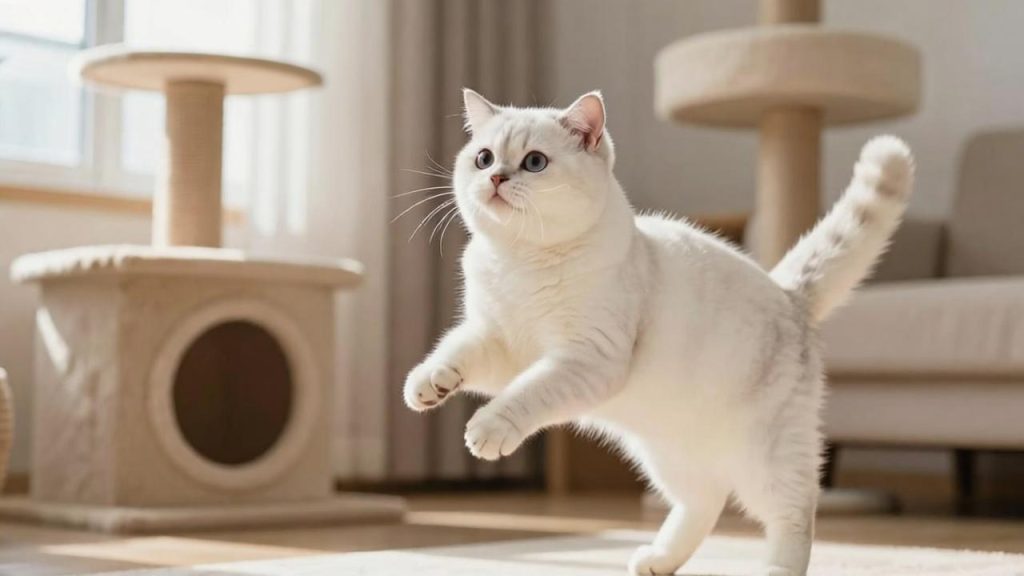
It took me longer than I’d like to admit to connect exercise with litter box habits. I always thought playtime was mainly about preventing boredom or helping my cats stay fit. Then I noticed something interesting. On days when they spent more time chasing feather toys, climbing their cat tree, or sprinting around the house after each other, they often seemed to have more regular bowel movements.
It makes sense when you think about it. Physical activity encourages healthy intestinal movement, just like it does in people. Cats that spend nearly the entire day sleeping, especially indoor senior cats, may experience slower digestion simply because they’re moving less.
I don’t force long play sessions. Even ten or fifteen minutes of interactive play once or twice a day seems to make a noticeable difference. Besides helping digestion, it also burns energy and reduces stress, which can indirectly support healthy bathroom habits.
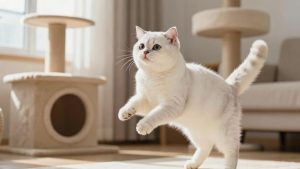
A clean litter box can influence how often a cat poops.
This was another lesson I learned through experience.
Years ago, I became busy with work and wasn’t cleaning the litter box as consistently as I should have. My cat didn’t suddenly stop pooping, but she clearly delayed using the box whenever possible. She would pace around it, sniff it several times, and sometimes wait until I cleaned it before finally going.
Cats are generally very clean animals. Many prefer a litter box that feels fresh every time they use it. If the box is too dirty, too small, or located somewhere noisy, some cats may postpone using it. Holding stool repeatedly isn’t ideal and may eventually contribute to constipation in certain cats.
Now scooping has become part of my daily routine. It takes only a few minutes, and I know my cats appreciate it far more than they could ever tell me.
Healthy poop tells you more than frequency alone.
When I first started monitoring my cats’ litter box habits, I focused only on how often they pooped. Eventually I realized the appearance of the stool is just as important.
Healthy cat stool is usually medium to dark brown, well formed, and easy to scoop without being overly dry or excessively soft. It shouldn’t contain obvious blood, large amounts of mucus, or visible parasites.
Occasionally seeing a slightly softer or firmer stool isn’t unusual, especially after a dietary change. What matters is whether the change continues for several days or is accompanied by other symptoms like vomiting, loss of appetite, weight loss, or noticeable lethargy.
I’ve found that spending just a few extra seconds observing the litter box each day gives me valuable insight into my cats’ overall health.
Some changes deserve a call to your veterinarian.
Not every skipped bowel movement is an emergency, but there are situations where professional advice is important.
If a cat repeatedly strains without producing stool, cries while trying to defecate, has blood in the stool, refuses food, vomits frequently, or hasn’t had a bowel movement for several days, it’s time to contact a veterinarian rather than waiting to see if things improve on their own.
Cats are incredibly good at hiding illness. By the time they clearly show discomfort, they may have been dealing with the problem for much longer than we realize.
One thing I’ve learned over the years is that trusting my instincts as an owner matters. Whenever something feels significantly different from my cats’ normal routine, I don’t ignore it.
There isn’t one perfect number that every cat should follow.
I think many of us search for a simple answer because it feels reassuring. We want someone to say, “A healthy cat poops exactly once every day,” and leave it at that.
Real life just isn’t that simple.
Some perfectly healthy cats poop every day. Others naturally go every other day. Young kittens, active adults, seniors, cats eating wet food, and cats eating mostly dry food can all have slightly different schedules while still being completely healthy.
The most useful thing I’ve learned is to pay attention to patterns rather than isolated events. Knowing what’s normal for your own cat is often more valuable than comparing them to another cat online.
These days, cleaning the litter box has become something more than a household chore for me. It’s a quick daily health check. I notice if my cats are eating well, drinking enough water, staying active, and following their usual bathroom routine. Most days everything looks exactly as expected, and that’s actually reassuring. It reminds me that small daily observations often tell us far more than occasional inspections ever could. Understanding your cat’s normal rhythm doesn’t mean counting every bowel movement or worrying over every small change—it simply means knowing your companion well enough to recognize when something truly feels different. Over time, that quiet familiarity becomes one of the easiest and most reliable ways to keep an eye on your cat’s overall well-being.