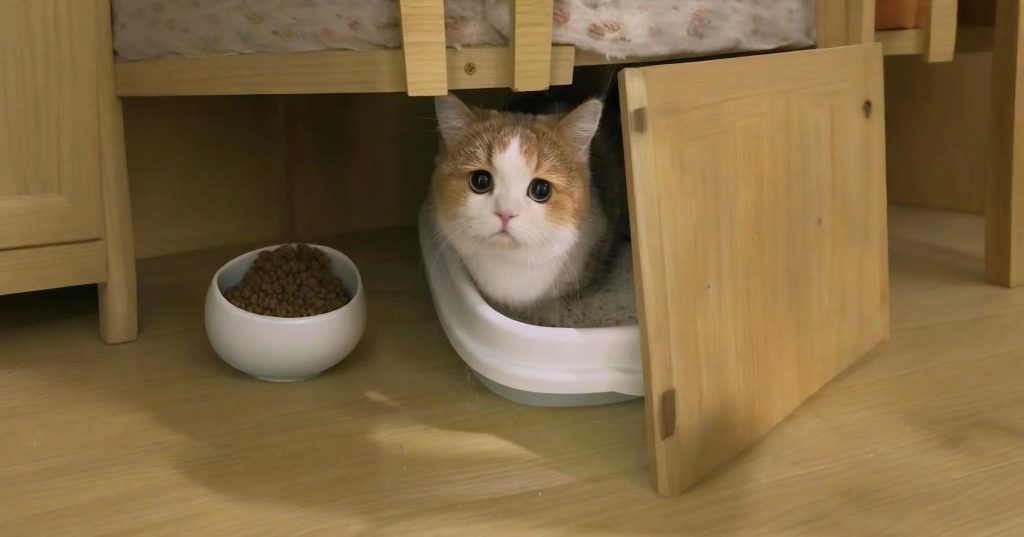
If you live with a cat long enough, you start noticing patterns that feel almost like a “silent routine.” One of the most interesting ones I’ve observed is how predictable cats can be right before they go to the litter box.
I didn’t really pay attention to it at first. But over time, especially living with more than one cat, I started realizing that the moments leading up to defecation aren’t random at all. There’s actually a sequence of behaviors—some subtle, some obvious—that repeat again and again.
And the funny part? Once you notice them, you can almost predict what’s about to happen within minutes.
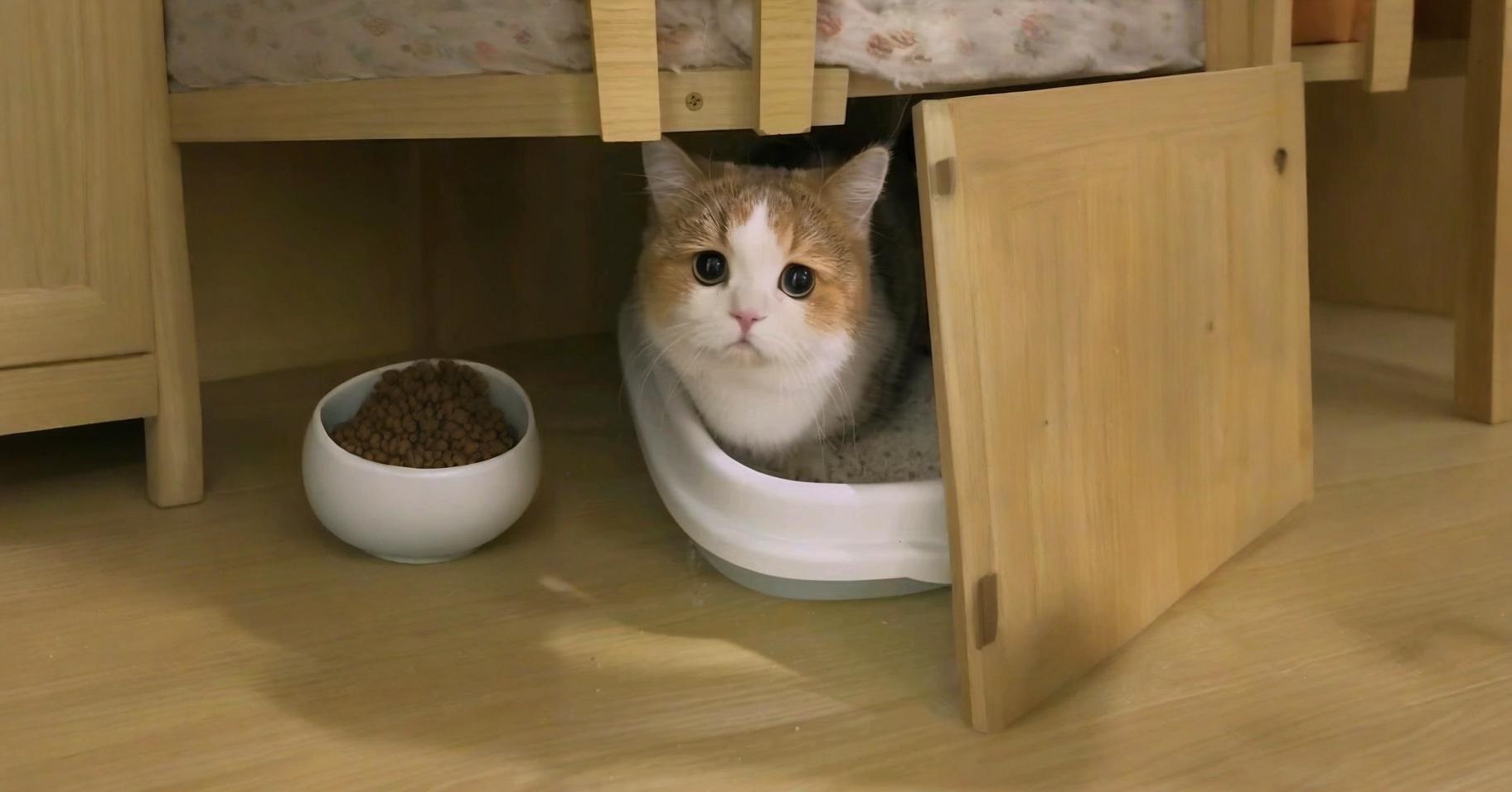
1. The Sudden “Survey Walk” Around the House
One of the first things I usually notice is a change in movement pattern. My cat will suddenly start walking around the house in a slow, slightly focused way. It’s not playful running or normal wandering—it feels more like checking something.
Sometimes she walks from room to room, pauses, turns around, and repeats the same path. I used to think she was just bored, but I’ve realized this often happens right before she heads to the litter box.
In veterinary behavior studies, cats are known to be very routine-based animals. According to feline behavior references from veterinary sources like International Cat Care, cats often use environmental scanning before elimination behavior. It’s basically them making sure the space feels “safe enough.”
That idea actually makes sense when you observe it long enough. Even indoor cats still carry that instinct.
2. The Intense Sniffing Phase (They’re Not Just Curious)
Another very consistent behavior is sniffing. A lot of sniffing.
Before heading into the litter box, my cats often stop near doorways, corners, or the litter area itself and begin sniffing the ground or air. It almost looks exaggerated compared to their normal curiosity sniffing.
From my experience, this is not random exploration. It seems more like a final environmental check. Cats rely heavily on scent information, and the litter box area is basically a “chemical map” for them.
Even small changes—like a slightly cleaned litter box or a new litter brand—can trigger more cautious sniffing behavior.
I once changed litter to a different texture, and my cat spent almost a full minute circling and sniffing before deciding to enter. That hesitation told me more than any guide ever could.
It’s also worth noting that cats have an extremely sensitive olfactory system—estimates suggest they have around 40 times more scent receptors than humans. That alone explains why sniffing is such a big part of their decision-making process.
3. The “Litter Box Ritual” Before Entry
Once they finally commit to going into the litter box, there’s usually another small ritual that happens first.
Most of my cats will step in, pause, and sometimes reposition their paws before fully squatting. It’s like they are adjusting their “angle” or checking comfort.
I’ve noticed this is especially true if the litter box was recently cleaned or slightly rearranged.
Some cats also do a quick scratch or dig before they actually start. This behavior is interesting because it isn’t just functional—it seems partly behavioral and partly instinctive.
In the wild, covering waste is a survival behavior to avoid detection by predators. Even though domestic cats obviously don’t face that risk, the instinct remains very strong.
So what looks like a simple adjustment is actually a deep-rooted behavioral pattern.
4. Posture Changes You Can Actually Notice
Right before elimination, cats show very noticeable posture changes.
They often lower their body slightly, stiffen their back legs, and become still. Sometimes the tail position changes too—either held slightly upward or gently to the side.
What I find interesting is how quickly they switch from “exploring mode” to “focused mode.”
A second ago they might be sniffing or walking around casually, and then suddenly they become completely still and concentrated.
This transition is one of the clearest signals that the process is about to begin.
From a behavior standpoint, this is consistent with what feline veterinarians describe as a shift from exploratory behavior to elimination posture—essentially a switch in neurological state from curiosity to task completion.
5. My Personal Observation Over Time
After observing multiple cats over several years, I’ve realized something simple: cats rarely act randomly when it comes to litter box behavior.
Even though each cat has its own personality, the “pre-poop routine” tends to follow a similar structure:
- Slow walking or surveying the environment
- Increased sniffing activity
- Brief hesitation near or inside the litter box
- Posture adjustment before squatting
Once you recognize this pattern, it becomes almost predictable.
There was even a time when I started noticing my cat’s routine so clearly that I could tell within a few minutes when she would head to the litter box, just by how she was walking around the house.
It sounds simple, but it actually changes how you understand your pet. It stops feeling like random behavior and starts feeling like communication—just without words.
Now, whenever I see those small behavioral cues, I don’t interfere or react. I just let the routine happen naturally. It’s one of those quiet parts of living with cats that you only fully appreciate after spending enough time observing them closely.
And honestly, it still surprises me how something so routine can still feel so interesting to watch, even after all this time.