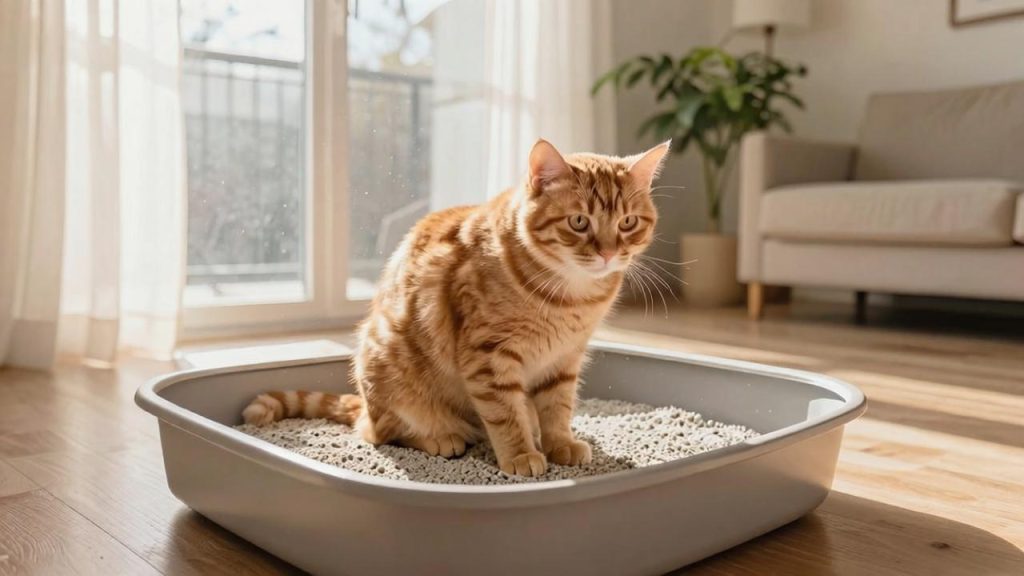
If there’s one thing every cat owner deals with every single day, it’s the litter box.
Most of us scoop it, clean it, and move on with our day without giving it much thought. But after living with cats for years, I’ve learned that the litter box is actually one of the most important windows into a cat’s health, comfort, and overall well-being.
A cat can’t tell us when something feels wrong. They can’t explain that their stomach is upset, that they’re stressed about a change in the home, or that a new type of litter feels uncomfortable under their paws. Instead, they communicate through behavior—and few behaviors reveal more than what happens in and around the litter box.
Whether you’re a first-time cat owner or someone who has shared life with cats for years, understanding normal bathroom habits can help you spot problems early, improve your cat’s comfort, and create a cleaner, happier home for everyone.
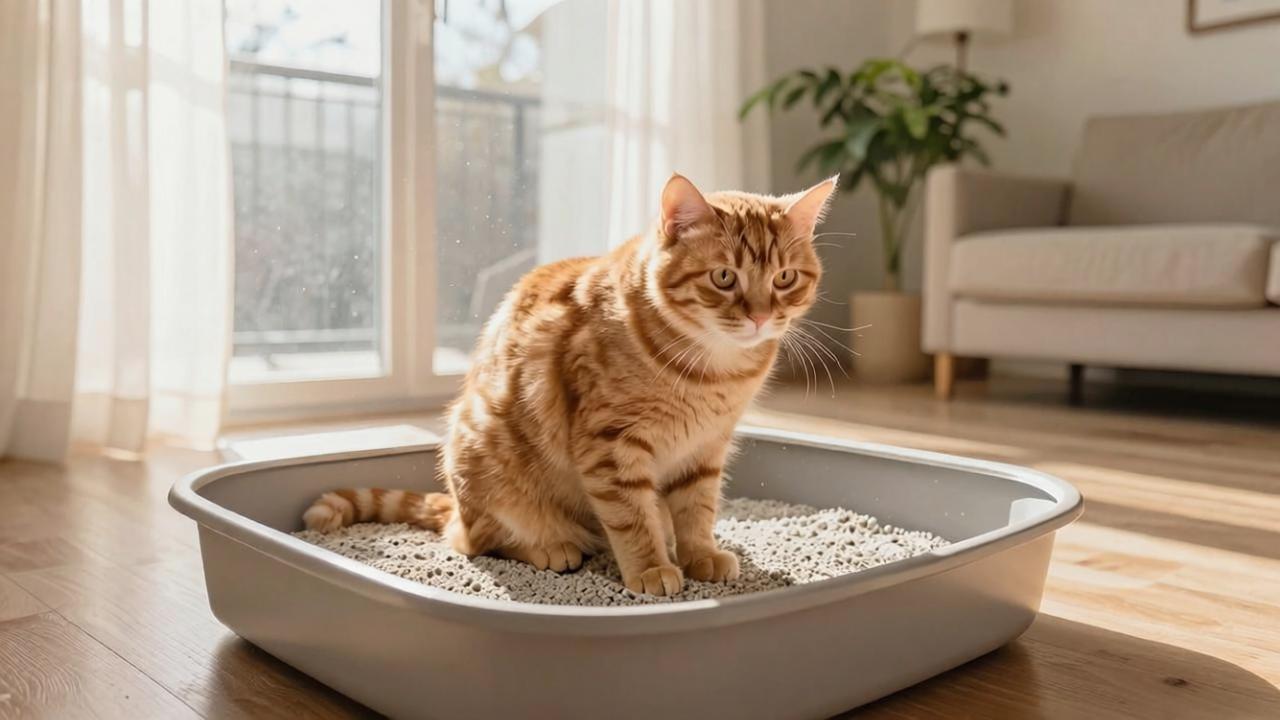
Your cat’s litter box habits can reveal a lot about their health.
One of the first things veterinarians often ask about when a cat isn’t feeling well is how frequently they’re using the litter box.
That’s because changes in bathroom behavior are often among the earliest signs that something may be wrong. A cat that suddenly starts visiting the litter box more often, strains during bowel movements, produces unusually soft stool, or stops using the box altogether may be trying to tell you something.
Even subtle changes can matter. Cats are famous for hiding discomfort, and many health issues develop gradually. By paying attention to normal habits, you’ll have a much better chance of noticing when something changes.
Think of the litter box as a daily health report. It may not be glamorous, but it provides valuable information that many owners overlook.
Healthy cats usually develop predictable bathroom routines.
Many people assume cats simply use the litter box whenever they need to, but most healthy cats actually follow fairly consistent routines.
Some cats prefer visiting the litter box shortly after meals. Others tend to have a regular morning or evening schedule. While every cat is different, consistency is usually a good sign.
Most adult cats have bowel movements somewhere between once a day and once every other day. Factors such as diet, hydration, age, activity level, and overall health all play a role.
The exact number is often less important than consistency. If your cat normally follows a predictable pattern and suddenly changes, it may be worth paying closer attention.
A clean litter box makes cats feel safer and more comfortable.
One lesson I learned quickly as a cat owner is that cats care far more about litter box cleanliness than many people realize.
In nature, cats instinctively bury their waste to avoid drawing attention from predators and rival animals. Even though our indoor cats live very different lives, many of those instincts remain.
A dirty litter box can create stress, frustration, and avoidance behavior. Some cats will tolerate an unclean box longer than others, but very few actually enjoy it.
Regular scooping not only reduces odors but also encourages consistent litter box use. In my experience, maintaining a clean box is one of the simplest ways to prevent many common litter box problems before they start.
The type of litter can influence how often a cat uses the box.
Cats can be surprisingly picky about litter.
Some prefer fine-grain clumping litter because it feels soft and natural under their paws. Others adapt well to crystal litter, paper litter, wood-based products, or plant-based alternatives.
What seems like a minor change to us can feel significant to a cat. Switching litter types too quickly may cause hesitation, confusion, or even avoidance.
Whenever introducing a new litter, gradual transitions often work best. Mixing small amounts of the new litter with the old one allows cats to adjust at their own pace.
Many litter box issues that appear behavioral are sometimes simply a matter of preference.
Stress can affect bathroom habits just as much as diet.
When people think about digestive changes, they often focus on food. While diet certainly matters, stress can be equally important.
Cats thrive on routine and predictability. Changes that seem minor to us may feel much larger from a cat’s perspective.
Moving to a new home, introducing another pet, rearranging furniture, having guests visit, or even changes in work schedules can create stress.
Some cats respond by eating less. Others may experience temporary digestive changes or altered litter box habits. In certain situations, a stressed cat may begin avoiding the litter box entirely.
Whenever unusual behavior appears, it’s worth considering whether anything in the environment has recently changed.
The location of the litter box is more important than many owners realize.
Imagine being asked to use a bathroom located next to a loud washing machine while people constantly walk past. Most of us wouldn’t find that very relaxing.
Cats feel the same way.
Most cats prefer quiet, low-traffic locations where they can eliminate without interruptions. Privacy helps them feel secure.
A litter box hidden too far away, placed near noisy appliances, or located in a stressful area may become less appealing over time.
The best location is usually one that is easy to access, quiet, and available at all times.
Multi-cat homes often need more litter boxes than expected.
One of the most common mistakes in multi-cat households is not providing enough litter boxes.
Cats may appear friendly and get along well, but bathroom resources can still create tension.
A general guideline many cat experts recommend is one litter box per cat, plus one extra. For example, if you have two cats, three litter boxes is often ideal.
This arrangement gives each cat options and reduces the likelihood of competition or territorial behavior.
Even subtle social dynamics can influence litter box usage, especially in homes with multiple cats.
Monitoring stool appearance can help you catch problems early.
While scooping the litter box isn’t anyone’s favorite chore, it provides an opportunity to observe something important: your cat’s stool.
Healthy stool is typically brown, formed, and easy to scoop. Extremely hard stool may indicate constipation, while soft or watery stool can point to digestive upset.
Occasional variations happen to every cat. A temporary change doesn’t always mean something is wrong.
However, ongoing diarrhea, repeated constipation, visible blood, excessive mucus, or dramatic changes in appearance should never be ignored.
The earlier potential issues are noticed, the easier they often are to address.
Good litter box habits are built through consistency.
Cats appreciate routines. They generally prefer familiar litter, familiar locations, and predictable cleaning schedules.
When those needs are met, litter box use often becomes almost effortless. Problems tend to arise when multiple factors change at once or when a cat becomes uncomfortable for physical or emotional reasons.
Providing a clean environment, suitable litter, adequate box placement, and regular observation creates a strong foundation for long-term success.
Many cat owners spend considerable time choosing food, toys, and treats, yet the litter box remains one of the most important aspects of daily feline care. Over time, I’ve come to view the litter box as much more than a place for waste. It’s a communication tool, a health indicator, and an essential part of a cat’s overall quality of life. By paying attention to your cat’s bathroom habits and maintaining a comfortable litter box setup, you’ll gain a deeper understanding of your feline companion and be better prepared to support their health for years to come.





Hi, this is a comment.
To get started with moderating, editing, and deleting comments, please visit the Comments screen in the dashboard.
Commenter avatars come from Gravatar.